Monday - Friday 07:30 - 17:30, Saturday 07:30 - 16:00
Floorboard Replacement and Floor Fitting in Bermondsey, SE16
Back to Portfolio
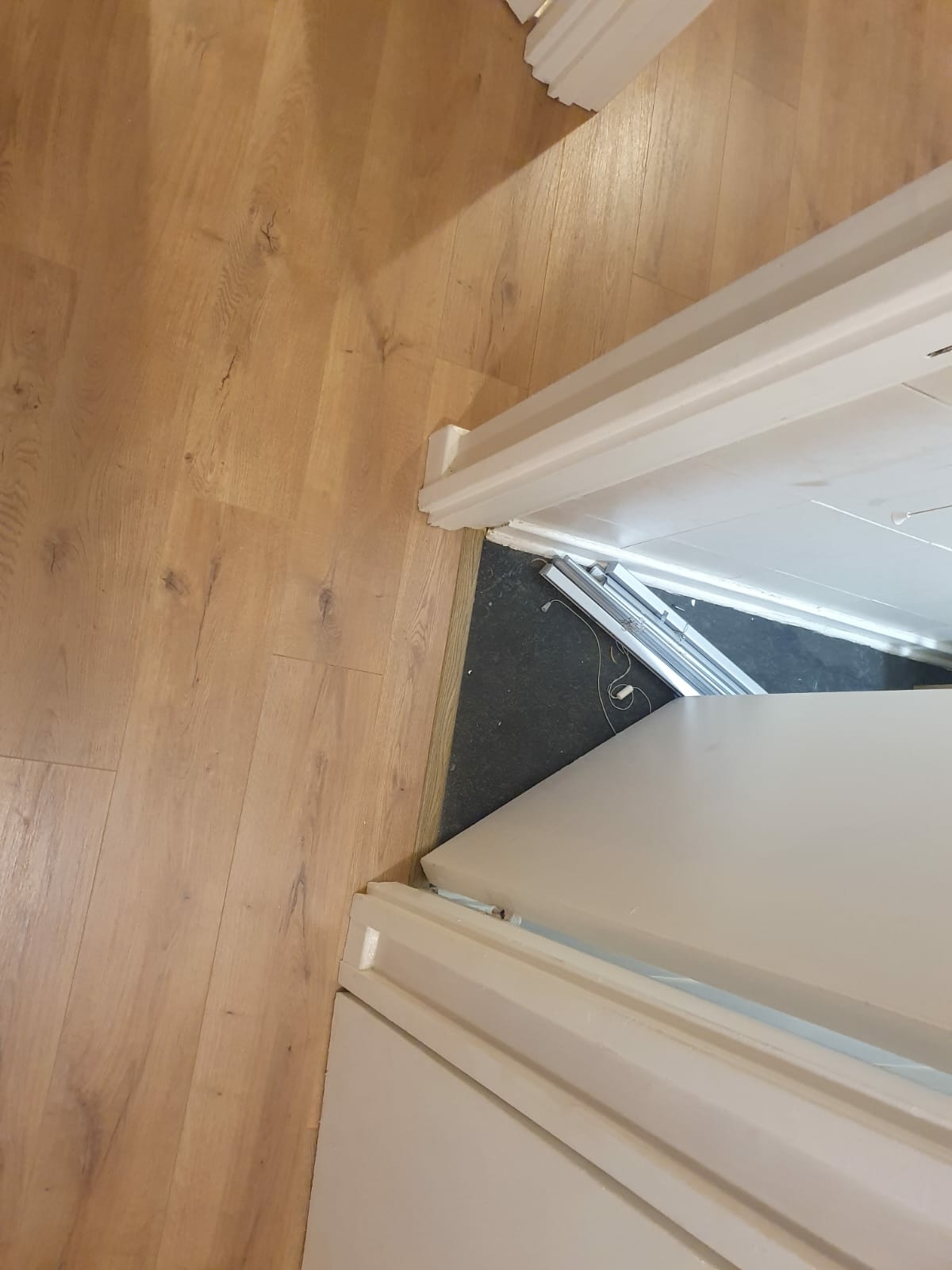
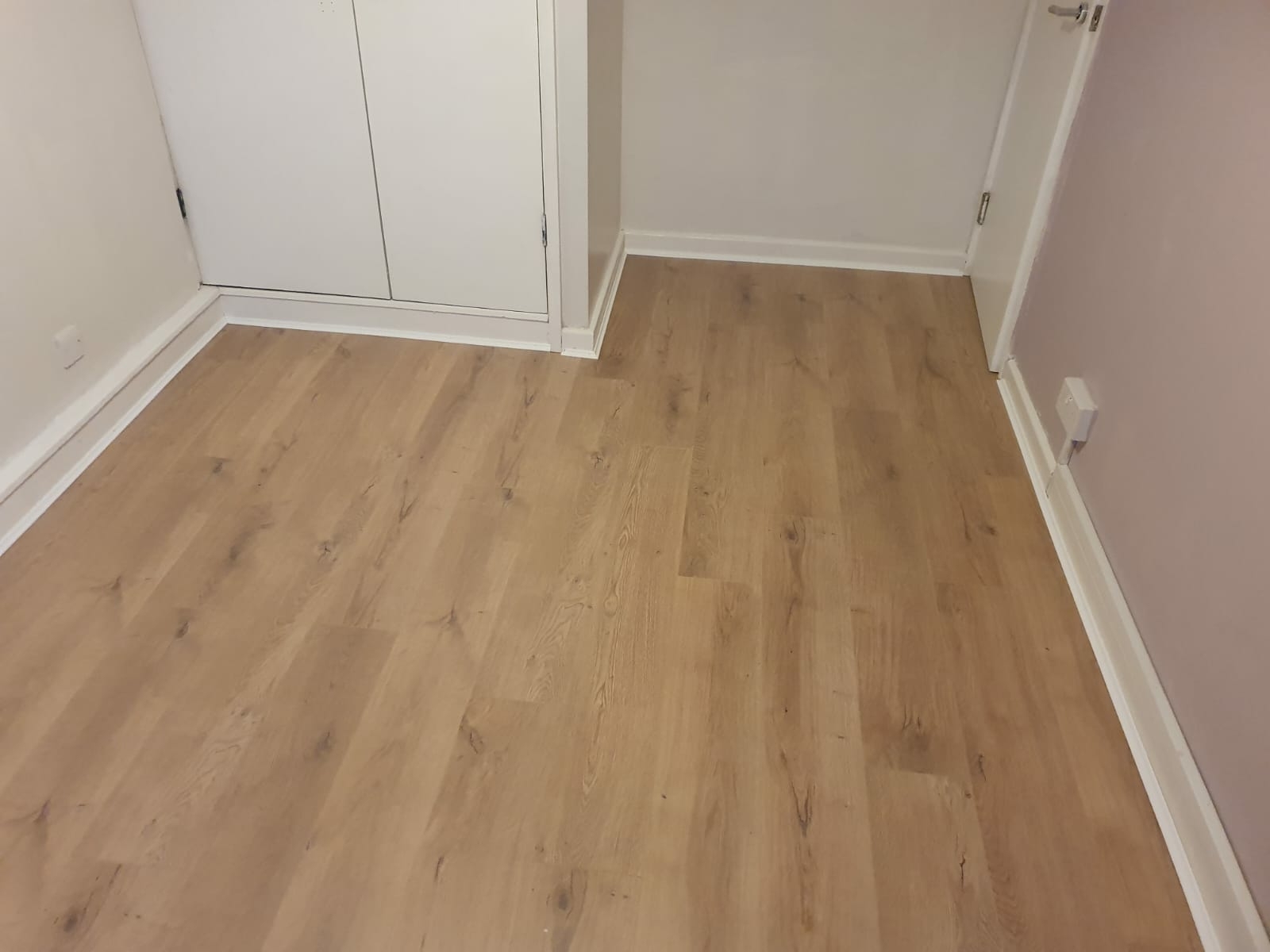
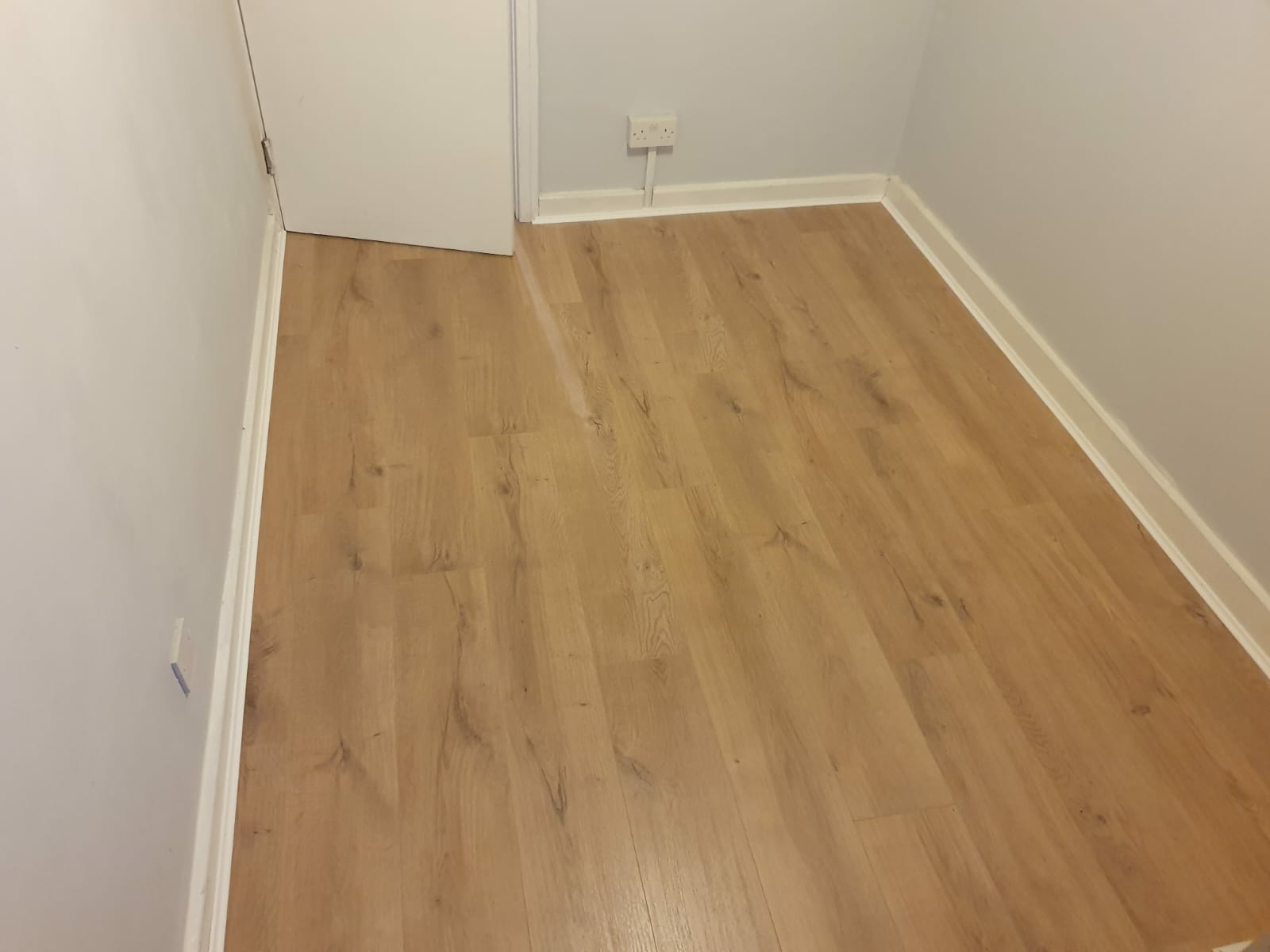
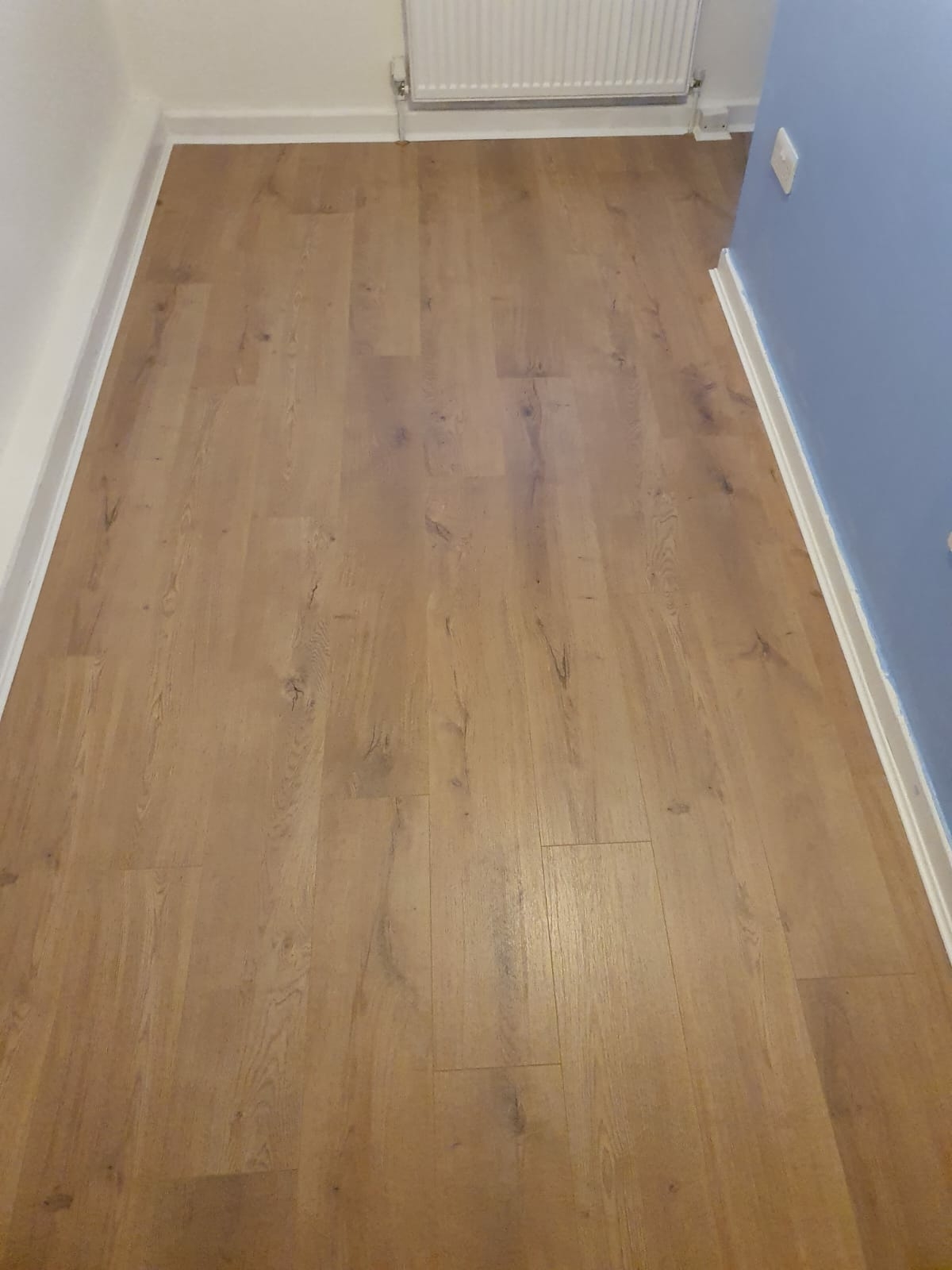
Floorboard Replacement and Floor Fitting in Bermondsey, SE16
We recently completed a full floorboard replacement and fitting project in a Victorian terrace in Bermondsey, SE16. The ground floor required new engineered oak boards throughout the living and dining areas after water damage had compromised the original floor. Our team managed the complete fit from subfloor preparation through to final sanding and finishing.
Work carried out
- Removal of damaged original floorboards
- Subfloor inspection and repair where needed
- Installation of engineered oak boards with acoustic underlay
- Sanding and staining of fitted boards
- Application of hard-wearing polyurethane finish
- Dust containment and site management throughout
About the project
The property owners discovered water ingress from a leaking radiator that had sat undetected for several weeks. By the time they called us, the original Victorian pine boards had cupped and warped beyond remediation. We recommended engineered oak as a replacement because it handles moisture better than solid boards and provides a more stable fit. The property had low ceilings typical of Victorian terraces, so we flagged early that sanding dust would be a concern and planned containment accordingly.
The subfloor assessment revealed joists in reasonable condition, though two sections showed minor rot that we treated and reinforced. We installed new engineered boards at 90 degrees to the original layout, using acoustic underlay to reduce sound transmission to the basement flat below, a requirement specified by the freeholder. Fitting took five days including acclimatisation time for the boards. We then sanded and sealed the floor using a water-based polyurethane system, which cured faster and meant the family could use the space within two weeks rather than the four weeks solid wood would have needed.
About our Bermondsey, SE16 service
Bermondsey is predominantly Victorian and Edwardian terraced housing with a growing number of new build apartments, particularly near the river. We work across all three property types regularly. The Victorian properties typically have original pine boards, many of which are worth restoring, though water damage and rising damp remain common issues in this area. Ground floors often sit close to water table level, especially in properties near Jamaica Road and the Thames. We're accustomed to carrying out thorough subfloor assessments and advising on moisture barriers and suitable floor types for these conditions.
Edwardian properties in the area tend to be in better structural condition with deeper basements and better ventilation. Many owners want to expose and sand original boards, which we do regularly. New build apartments mostly have laminate or engineered wood fitted during construction, though we handle replacements and upgrades when buyers want to change the floor. We've fitted everything from budget-friendly laminate through to solid oak and walnut in the area. Access in Bermondsey can be tight, particularly in the narrow streets around Tower Bridge Road, so we plan deliveries carefully and break materials down into manageable pieces on older sites.
Frequently asked questions
How much does floor fitting cost per square metre in Bermondsey?
Fitting costs typically run from £35 to £60 per square metre depending on board type, subfloor condition, and whether underlayment is required. Engineered boards and laminate sit at the lower end, while solid wood and bespoke finishes cost more. If the subfloor needs significant work, that adds to the overall price but isn't always clear until we inspect.
What preparation is needed before fitting new boards?
The subfloor must be clean, dry, and level to within 3mm across any 2 metre span. We check moisture content and treat any damp issues before laying anything. If the subfloor is uneven, we either sand high spots or use levelling compound. Boards need 48 hours acclimatisation in the room where they'll be laid so they adjust to local humidity and temperature.
How long does a typical floor fit take?
Installation itself usually takes one to three days depending on room size and complexity. If sanding and sealing is included, add another three to five days for sanding, staining, and curing time. We schedule around your diary and try to minimise disruption, though dust-free sanding and finishing does require some site isolation during work.
Project Gallery